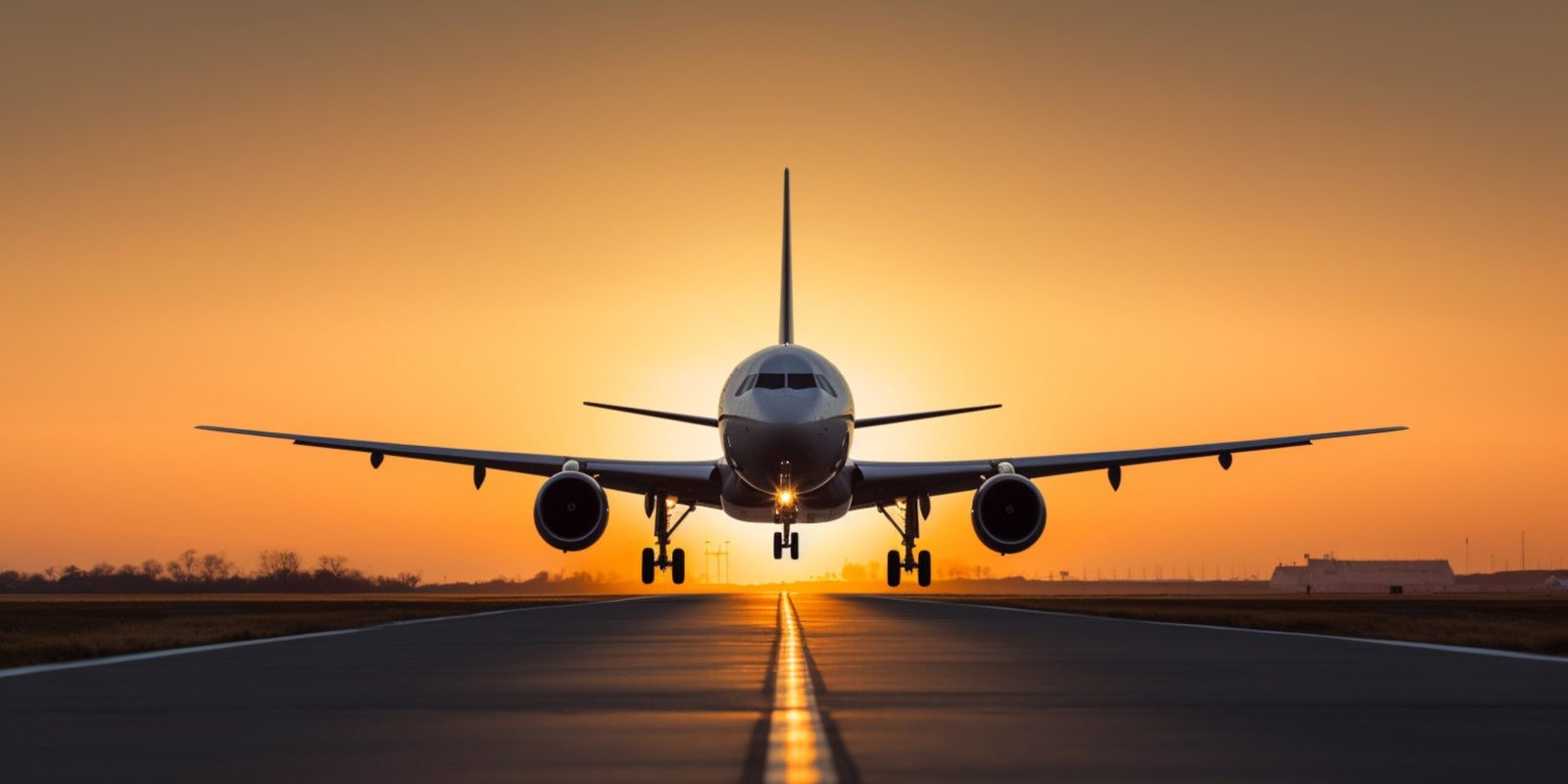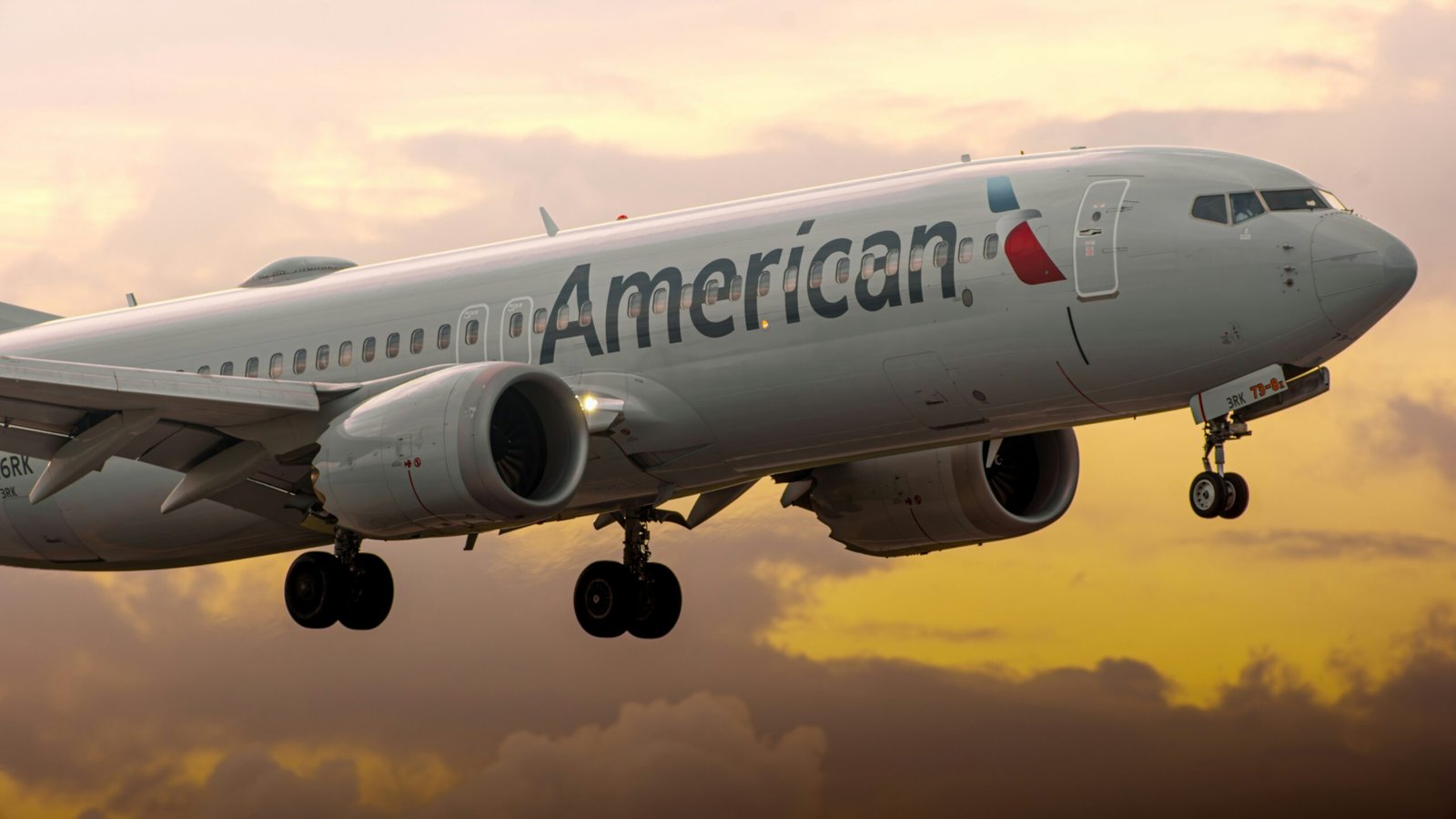
If you have ever stood near a busy airport viewing area or scrolled through photos of a crowded tarmac, you likely noticed a recurring theme. The vast majority of commercial airliners share the same bright white exterior.
While airlines certainly love to show off colorful logos and vibrant tail fins, the main body of almost every passenger jet is painted white. This is not just a coincidence or a boring industry standard. It comes down to a careful mix of physics, maintenance efficiency, and economics.
Beating the Heat on the Tarmac
The single biggest reason for white aircraft exteriors is thermal management. Just like a car sitting in a summer parking lot, a massive aluminum tube baking under direct sunlight will absorb an immense amount of solar radiation.
White paint acts as a powerful reflector, bouncing sunlight away rather than absorbing it. This keeps the cabin significantly cooler while the aircraft is parked on the tarmac, boarding passengers, or being loaded with cargo. Keeping the plane cool reduces the workload on the auxiliary power unit and ground air conditioning carts, saving fuel and keeping passengers comfortable.
The heat-deflecting necessity of white paint goes to extremes in high-speed flight. Historically, the iconic Concorde was painted with a specialized highly reflective white paint specifically to protect its airframe from extreme heat buildup generated by air friction at Mach 2. When one Concorde was temporarily painted in a darker promotional livery, flight restrictions had to be implemented to keep the aircraft from overheating.
A Canvas for Mechanics
Beyond thermal benefits, white paint serves as a vital tool for aircraft safety and maintenance.
Commercial airliners undergo rigorous inspections before every flight and during scheduled maintenance checks. Most fluids essential to keeping an airplane flying safely—such as hydraulic fluid, engine oil, and fuel—are dark in color. A bright white background makes it remarkably easy for maintenance crews to spot fluid leaks, hairline cracks, corrosion, or structural wear. On a darker or heavily patterned fuselage, these critical early warning signs could easily hide in plain sight.
Fading, Resale Value, and Economics
Painting a widebody commercial jet is a massive undertaking, requiring hundreds of gallons of paint and adding hundreds of pounds to the aircraft’s weight.
Darker colors are far more susceptible to severe ultraviolet radiation fading at high altitudes, requiring frequent and expensive repainting to keep the airline looking professional. White paint retains its finish and resists UV degradation much longer.
Furthermore, the business side of aviation relies heavily on aircraft leasing and trading. A large portion of the world’s commercial aircraft are leased rather than owned outright. When an airline changes its branding or returns a leased jet, a predominantly white plane is much simpler and cheaper to rebrand for the next operator. The new airline only has to change the titles and tail logo rather than completely stripping and repainting the entire airframe.
While a few daring airlines occasionally buck the trend with striking all-black or heavily colored liveries, white remains the undisputed king of the skies for good reason.